Caktus Blog
2016
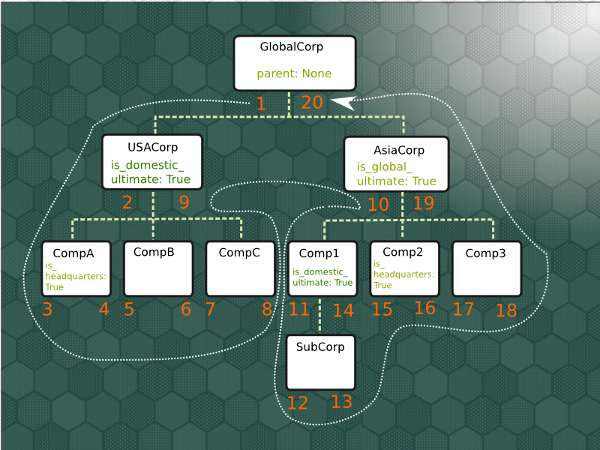
Modified Preorder Tree Traversal in Django
Hierarchical data are everywhere, from product catalogs to blog post comments. A classic example is the tree of life, where kingdoms are subdivided into a hierarchy of phylum and class down to genus and species. What if you wish to store this data in a database table, which is inherently flat? Databases do not natively store hierarchies, so you need to work around that.
2015
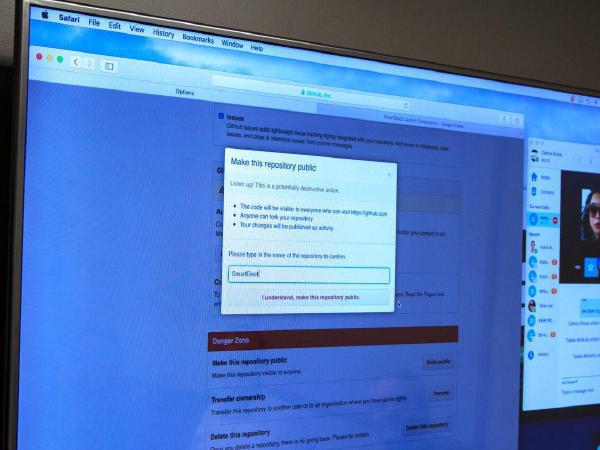
What We Open Sourced in 2015: A New Year's Retrospective
This year we had the pleasure of building a number of unique solutions for several organizations. In addition, we had the support of these clients to open source the tools we built. By open sourcing our work, we enable others to use, replicate, and even improve upon the tools we’ve created.

Reflecting on My Time as Caktus' Open Source Fellow
My name is Ben Phillips and I am Caktus’ Open Source Fellow. As my fellowship comes to a close, I wanted to reflect on my time at Caktus and to share my experience and some of what I’ve learned here. First, however, I should probably share how I ended up here in the first place.

Caktus Participates in Tree of Bikes at American Tobacco Campus
This year, our neighbors at American Tobacco Campus (ATC) hosted Durham’s first ever Tree of Bikes event to help collect and distribute new bikes to children in need in the local community. The tree is a 25-foot tall sculpture made entirely of new children’s bicycles donated by individuals and local businesses in the Triangle. The bikes are then distributed to children living in the Cornwallis Road affordable housing community managed by the Durham Housing Authority.

Caktus CTO Colin Copeland Helps Launch Open Data Policing Website
Today, at Caktus headquarters, CTO and co-founder of Caktus Colin Copeland will stand at a press conference along with activists, police representatives, and elected officials to announce the launch of OpenDataPolicingNC.com. The first site of its kind, OpenDataPolicingNC.com draws on public records to publish up-to-date stop, search, and use-of-force data—broken down by race and ethnicity—for every police department and officer in the state of North Carolina. The volunteer effort, led by The Southern Coalition for Social Justice (SCSJ) and technical leadership by Colin, includes approximately 20 million anonymized data points from 15 years of NC traffic stop data.

Cyber Monday: 50% off Django book and videos
Are you looking for a good gift for a current or future Django developer? Check out Caktus technical director Mark Lavin’s work for O’Reilly:

What human-centered design can do for international development
Cross-posted with Creative Associates International. Written by Gina Assaf (Creative Associates International) and Tania Lee (Caktus Group). Image courtesy of Creative Associates International.

Initial Data in Django
I’ve struggled to find an ideal way to load initial data for Django projects. By “initial data,” I’m referring to the kind of data that you need on a new system for it to be functional, but could change later. These are largely lists of possible choices, such as time zones, countries, or crayon colors.

The Long, Hard Haul to Uncovering a Single, Tiny CSS Property Bug in IE10
There’s a very small but devastatingly crash-inducing bug in Internet Explorer 10. Watch out for setting a background-color to inherit on any pseudo element (like ::before and ::after), because this will crash IE completely every single time.
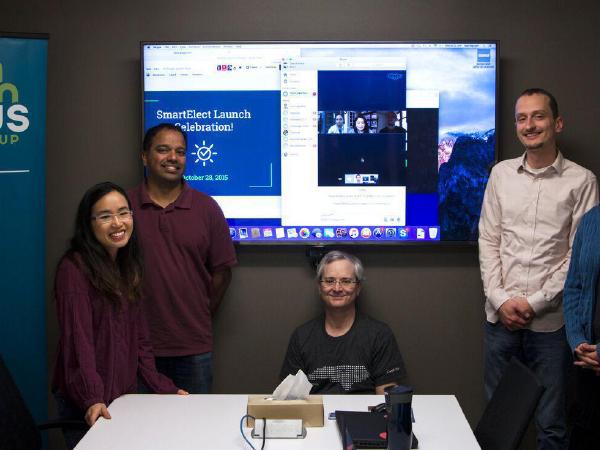
Open Sourcing SmartElect: Libya's SMS Voter Registration System
We are proud to say that, with the Libyan High National Elections Commission (HNEC) and consultative support from the United Nations Support Mission to Libya, we have open sourced their elections management platform today under a permissive Apache 2.0 license. Open sourcing means other governments and organizations can freely adopt and adapt the elections tools which cover nine functional areas. The tools range from SMS voter registration, the first of its kind, to bulk alerts to voters and call center support software. You can learn more at our brand new SmartElect homepage. This is the cumulation of two years of work, so we’re incredibly excited to share SmartElect with the rest of the world.