Caktus Blog
2016
New white paper: "Shipping faster: Django team improvements"
For the past couple months, we’ve been working on a new white paper, “Shipping Faster: Django Team Improvements”. We examined our existing processes, looked at best practices, and considered what has or hasn’t worked across our dozens of simultaneous projects.
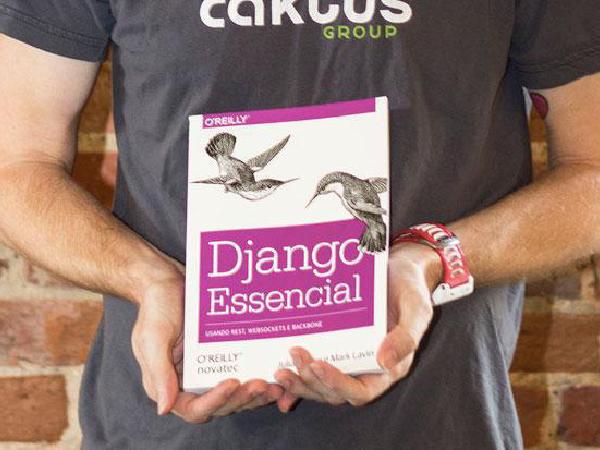
Lightweight Django now in Portuguese!
We’re proud to report that Lightweight Django (O’Reilly Media) is now available in Portuguese as Django Essencial. The book was written by our technical director Mark Lavin and Caktus alumnus Julia Elman to great reviews. Django Essencial comes just in time for Mark’s keynote talk during PyCon Nordeste.
Checking That It's All Translatable
When building a translated application, it's important to test that all of the text is going to be translated, but difficult to tell until the translation has been done. Until then, even when you switch languages you still see English everywhere. It's not until all the text that's been set up to be translated actually is that you can see the site in the other language, at which point the English messages stick out like a sore thumb. But that's usually very late in the process. How can we catch those errors earlier?
Caktus Internship Fuels a Career Re-Launch
What is it like to be an intern at Caktus? I am finishing up as the spring Django intern (though I didn’t actually use any Django), so I’ll share my experience.
Best Python Libraries
Our love for Python is no secret. But with so many modules, tools, and libraries, it can be overwhelming for beginning developers to identify the most useful. Obviously, our favorite framework is Django. But we’re setting aside our undying love for that framework for a moment to offer a list of other helpful Python libraries. From those offering standard solutions to everyday programming problems, to ones that hold a special place in the heart of the dev who created them, these are some of our developer’s favorite tools for Python development.
Time for Flexbox First
The web development community has a habit of declaring “firsts” those practices and approaches that reach some ill-defined status signaling they are the go-to way to solve a particular problem. We’ve seen “mobile first” and, more recently, “offline first.” In these examples, a new problem comes along and as that problem grows more common there comes a tipping point. On the other side of that tipping point, it begins to make sense to solve the problem from the ground up, rather than building a project and solving it as an afterthought.
Wagtail: 2 Steps for Adding Pages Outside of the CMS
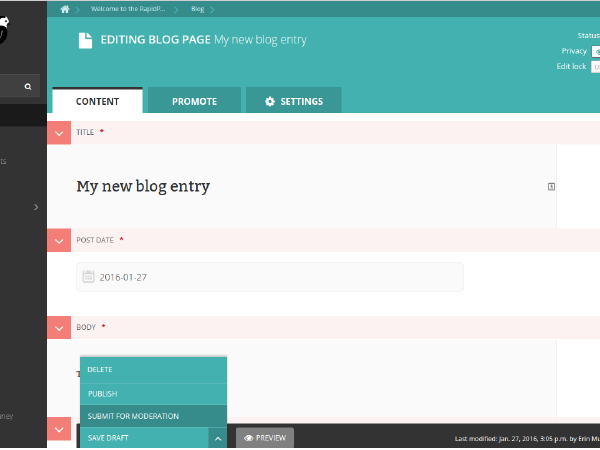
My first Caktus project went live late in the summer of 2015. It's a community portal for users of an SMS-based product called RapidPro. The portal was built in the Wagtail CMS framework which has a lovely, intuitive admin interface and excellent documentation for developers and content editors. The code for our Wagtail-based project is all open sourced on GitHub.
Writing Unit Tests for Django Migrations
Editor's note: This post was originally published in February 2016 and was updated in August 2017 to incorporate improvements suggested by our readers. It has also been tested for compatibility as of the Django 1.11 release.
ShipIt Day Recap: Q1 2016
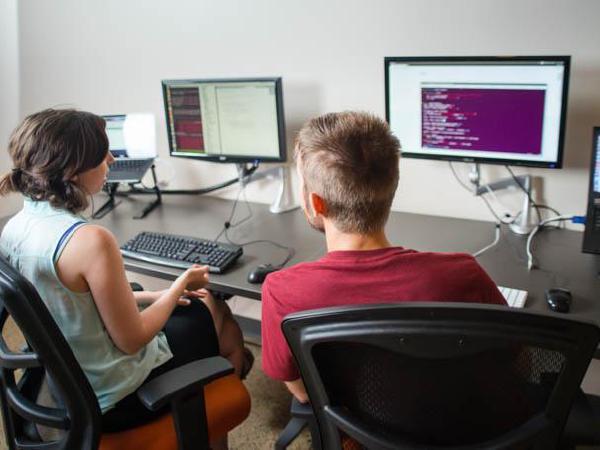
Last Friday, the Cakti set aside regular client projects for our quarterly ShipIt Day, a chance for personal development and independent projects. People work individually or in groups to flex their creativity, tackle interesting problems, or expand their personal knowledge. This quarter’s ShipIt Day saw everything from cat animations to improvements on our Taylor Swift lyric generator app. Read about the various ShipIt Day projects for Q1 of 2016 below.

The Trials, Tribulations, and Triumphs of Choosing an M&E Platform
Republished with permission from ICTWorks.org
At the recent MERL Tech conference, Tania Lee (Caktus Group), Tom Walker (Engine Room), Laura Walker McDonald (SIMLab), and Lynnae Day (Oxfam America) led a session called, “The Trials, Tribulations, and Triumphs of Choosing an M&E Platform.” They’ve written up their reflections and learning from that session focusing on project design, tool design/research, and getting things off the ground, whether that means finding external help or building a custom solution.